What type of training is horse riding?
Horse riding is a complex and rewarding discipline that involves much more than simply sitting on a horse and guiding it forward. The training involved in horse riding encompasses both the development of the rider’s skills and the training of the horse itself. This dual aspect makes horse riding a unique activity that requires patience, communication, and mutual understanding between horse and rider. The type of training used varies widely depending on the riding style, the goals of the rider, and the individual horse’s temperament and abilities. This article explores the different facets of horse riding training, including foundational skills, horse training methods, rider preparation, and the modern approaches that emphasize partnership and welfare.
Understanding Horse Riding Training: A Dual Process
Training in horse riding involves two interconnected processes: training the horse and training the rider. Both must progress together for successful riding.
Training the Horse: Horses are trained to respond to various aids-signals given by the rider through voice, legs, hands, seat, and body weight. Early training focuses on basic commands such as starting, stopping, turning, and standing still. More advanced training includes teaching the horse specific movements, improving balance, responsiveness, and obedience. Different training methods exist, such as classical dressage, natural horsemanship, and groundwork, all aiming to build trust and communication between horse and handler.
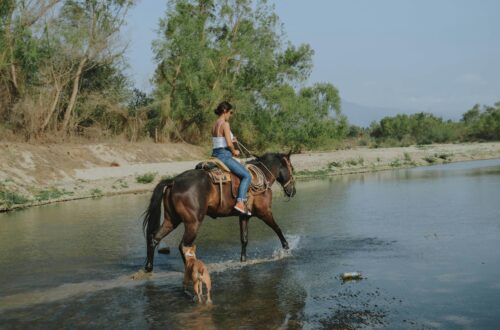
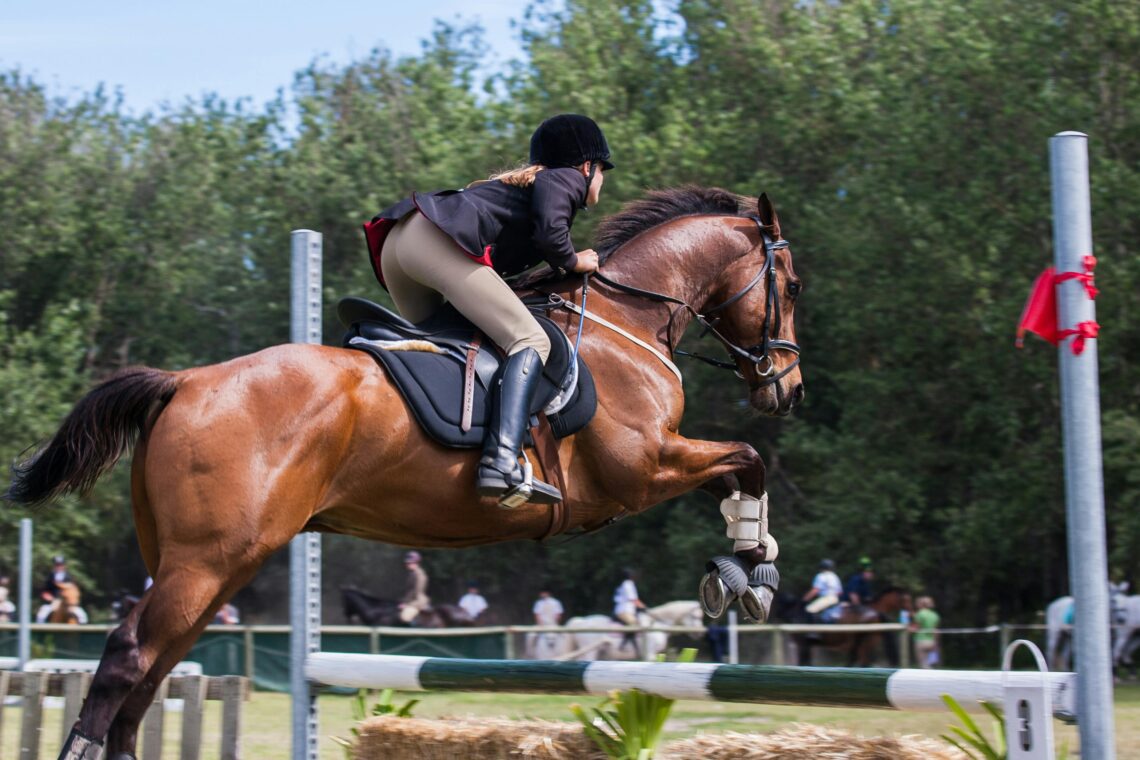
Training the Rider: Riders must develop posture, balance, coordination, and the ability to apply aids effectively. Learning how to sit correctly, maintain a steady seat, and use subtle cues is essential. Rider training often begins with mastering basic riding techniques and progresses to more advanced skills depending on the discipline, whether it’s jumping, dressage, or trail riding.
Horse Training Methods
Various horse training methods have evolved over time, each with its own philosophy and techniques. Modern horse training emphasizes understanding horse behavior and prioritizing the animal’s welfare.
Positive Reinforcement: This method rewards desired behaviors with treats, praise, or gentle touches, encouraging the horse to repeat those actions. Tools like clicker training mark the exact moment the horse performs the correct behavior, helping it learn quickly and willingly.
Natural Horsemanship: Inspired by horses’ natural instincts and social behaviors, this approach builds a relationship based on trust and clear communication. Trainers use body language, pressure and release techniques, and respect for the horse’s personality to encourage cooperation.
Groundwork: Before riding, groundwork establishes communication and respect. Exercises such as leading, lunging, and long-reining teach the horse to respond to cues from the ground, building a foundation for riding.
Classical Dressage Training: This traditional method develops the horse’s flexibility, balance, and obedience through precise, progressive exercises. It aims for harmony between horse and rider, with the horse performing movements with grace and ease.
Cowboy or Vaquera Dressage: Focused on agility and quick reactions, this style trains horses for fast maneuvers, tight turns, and powerful stops, reflecting the needs of working ranch horses.
Liberty Training: This method trains horses without physical restraints, relying on body language and mutual trust to communicate. It fosters a willing partnership where the horse responds freely to subtle cues.
Rider Training and Techniques
Rider training is essential for effective communication and safe riding. Key elements include:
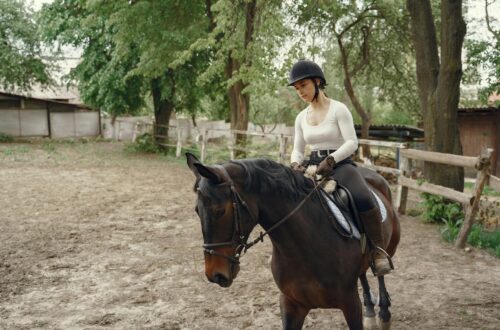
Posture and Balance: Maintaining a correct, balanced seat helps the rider stay secure and communicate clearly with the horse. This involves aligning the head, shoulders, hips, and heels.
Use of Aids: Riders learn to use natural aids-legs, hands, seat, and voice-to guide the horse. Each aid has a specific function, such as encouraging forward movement, steering, or slowing down.
Developing Rhythm and Timing: Understanding the horse’s gait and timing aids helps riders move in harmony with the horse, enhancing comfort and control.
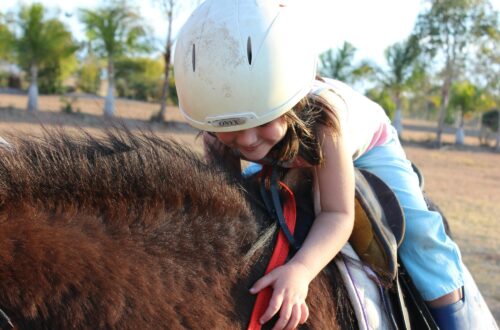
Building Confidence: Training often starts with simple exercises to build the rider’s confidence and trust in the horse, gradually introducing more complex skills.
Consistent Practice: Regular lessons and practice sessions help riders improve technique, build muscle memory, and deepen their connection with the horse.
The Importance of Communication and Trust
Successful horse riding training depends heavily on the relationship between horse and rider. Horses are sensitive animals that respond not just to physical aids but also to the rider’s mood and energy. Clear, consistent communication and positive reinforcement build trust, making the horse more willing and responsive. Training sessions that respect the horse’s limits and use gentle methods reduce fear and anxiety, fostering a cooperative partnership.
Tools and Equipment in Training
The right equipment supports effective training and comfort for both horse and rider. Common tools include:
- Saddles designed for specific disciplines, providing balance and security.
- Bridles and bits that allow clear communication through rein aids.
- Protective gear such as boots and bandages to safeguard the horse’s legs.
- Training aids like lunge lines, ground poles, and cones for groundwork exercises.
Proper fitting and use of equipment are crucial to avoid discomfort or injury.
Modern Trends in Horse Riding Training
Today’s horse training increasingly focuses on welfare and individualized approaches. Trainers adapt methods to suit each horse’s personality and learning style. The use of pressure and release techniques helps horses learn without fear, associating the removal of pressure with correct behavior. Many trainers combine traditional and modern methods to create balanced, effective training programs.
Additionally, rider education emphasizes safety, biomechanics, and psychological understanding of horses. Professional instruction and feedback help riders progress while maintaining the horse’s well-being.
Conclusion
Horse riding training is a comprehensive process that involves educating both horse and rider. It combines physical skills, communication, and emotional connection to create a partnership capable of performing a wide range of activities, from leisurely trail rides to high-level competitions. Various training methods, from classical dressage to natural horsemanship, offer different paths to achieve harmony and responsiveness. Rider training focuses on posture, balance, and effective use of aids, while horse training prioritizes trust, understanding, and welfare. Together, these elements form the foundation of successful and enjoyable horseback riding.
The written content on this page was generated by perplexity.ai.