7 Common Mistakes New Riders Make (And How to Avoid Them)
Embarking on your horseback riding journey brings excitement, connection with nature, and the thrill of bonding with one of humanity’s oldest companions. However, as enchanting as horseback riding can be, every novice faces a learning curve, and certain pitfalls are all too common. Understanding these mistakes—and how to correct them—not only improves your security and safety but also sets the stage for a rewarding equestrian adventure.
Below, we outline seven mistakes that new riders frequently make, complete with actionable advice on how to avoid them for a confident and enjoyable ride.
1. Poor Posture: Losing Your Balance and Connection
Mistake: Slouching, leaning forward or backward, gripping with thighs, or stiffening up are all classic hallmarks of an untrained riding position. Many beginners either collapse their bodies, tilt too far one way, or tense up, which not only affects their own balance but can also confuse and discomfort the horse.
Why It Matters: Good posture serves as your core line of communication with the horse. Improper alignment can disrupt movement, make you feel unstable, and cause the horse pain or irritation.
How to Avoid It:
- Imagine a straight line running from your ear, through your shoulder and hip, down to your heel.
- Sit up tall but relaxed, keeping your back straight and shoulders square.
- Allow your hips and lower back to move with the horse’s motion.
- Avoid tensing up; if you feel stiffness creeping in, take a breath and consciously loosen your muscles.
2. Looking Down Instead of Ahead
Mistake: A new rider’s gaze often drops to the horse’s neck, feet, or saddle—sometimes out of fascination, sometimes out of insecurity. This causes the upper body to fall forward, weakening your balance and sending unclear signals to the horse.
Why It Matters: Your horse senses your energy, and where you look actually helps steer the ride. Looking down hinders response time to obstacles, misaligns your spine, and can even make the horse feel less assured.
How to Avoid It:
- Always look ahead, focusing on where you want to go rather than the horse.
- Trust your horse to manage the terrain, especially when working with a guide.
- Use the “through the ears” approach: look straight ahead between your horse’s ears as if you’re planning your path forward.
3. Holding the Reins Too Tight (or Too Loose)
Mistake: Beginners may grip the reins with a death-hold, fearful of losing control, or let them go too slack, failing to guide the horse. Either extreme causes confusion and discomfort for your horse and can lead to unsafe situations.
Why It Matters: The reins act as your primary line of gentle communication. Too much tension can cause pain or make the horse resistant; not enough leaves you with little guidance.
How to Avoid It:
- Hold your reins like you’re gently shaking someone’s hand—firm but not forceful.
- Keep your hands relaxed and soft, using your whole body to guide rather than relying solely on the reins.
- Remember: a subtle signal usually communicates better than a sharp tug.
4. Incorrect Foot and Leg Position
Mistake: Standing too much on the toes, shoving feet too far into the stirrups, or gripping tightly with the knees or heels. This destabilizes your seat and may inadvertently cue your horse to move or speed up.
Why It Matters: Proper leg alignment provides security and balance. Incorrect position can cause fatigue, lead to loss of control, and in worst cases, keep your foot caught in the stirrup during a fall.
How to Avoid It:
- Rest the ball of your foot lightly on the stirrup, with your heel slightly lower than your toe.
- Let your legs hang naturally, keeping light contact with the saddle but never pinching.
- Avoid driving your heels forcefully down, which can cause you to clench.
- Use gentle pressure with your calves for direction, not brute force.
5. Not Listening to the Horse (or Instructor)
Mistake: Focusing too much on technique or nerves, beginners often miss the subtle cues and responses from their horse—or disregard the trainer’s advice in favor of self-taught instincts or peer tips.
Why It Matters: Horses are highly intuitive and respond to your mood, movement, and communication. Ignoring their feedback may cause misunderstandings or unsafe behavior, and dismissing professional instruction can delay your progress.
How to Avoid It:
- Treat the experience as a partnership. Listen to your horse’s body language: ears, tail, energy level, and responsiveness.
- Trust your instructor’s expertise, especially in the early stages.
- Ask questions and seek clarification whenever you feel unsure.
- Stay present and responsive, making adjustments as needed.
6. Rushing the Learning Curve
Mistake: Many novices are eager to trot, canter, or even gallop before mastering the fundamentals at a walk. Others push themselves (or the horse) too quickly in hopes of faster progress, often leading to unfortunate tumbles or scares.
Why It Matters: Mastery of basic skills sets a foundation for safe advancement. Skipping steps increases the risk of accident, injury, and the development of bad habits that are difficult to undo.
How to Avoid It:
- Prioritize groundwork and simple activities.
- Take time to develop balance, confidence, and communication at a walk before progressing to faster gaits.
- Recognize that everyone’s journey is different—progress at your own comfortable pace.
7. Neglecting Safety Basics and Proper Gear
Mistake: Some beginners ride in sneakers, forget to fasten their helmet, or skip safety checks on the tack and gear. Others ride horses that are not beginner-safe or disregard personal protective equipment (PPE).
Why It Matters: Safety lapses can have serious, even life-altering, consequences. The right clothing and equipment not only protect you but also improve comfort and communication with the horse.
How to Avoid It:
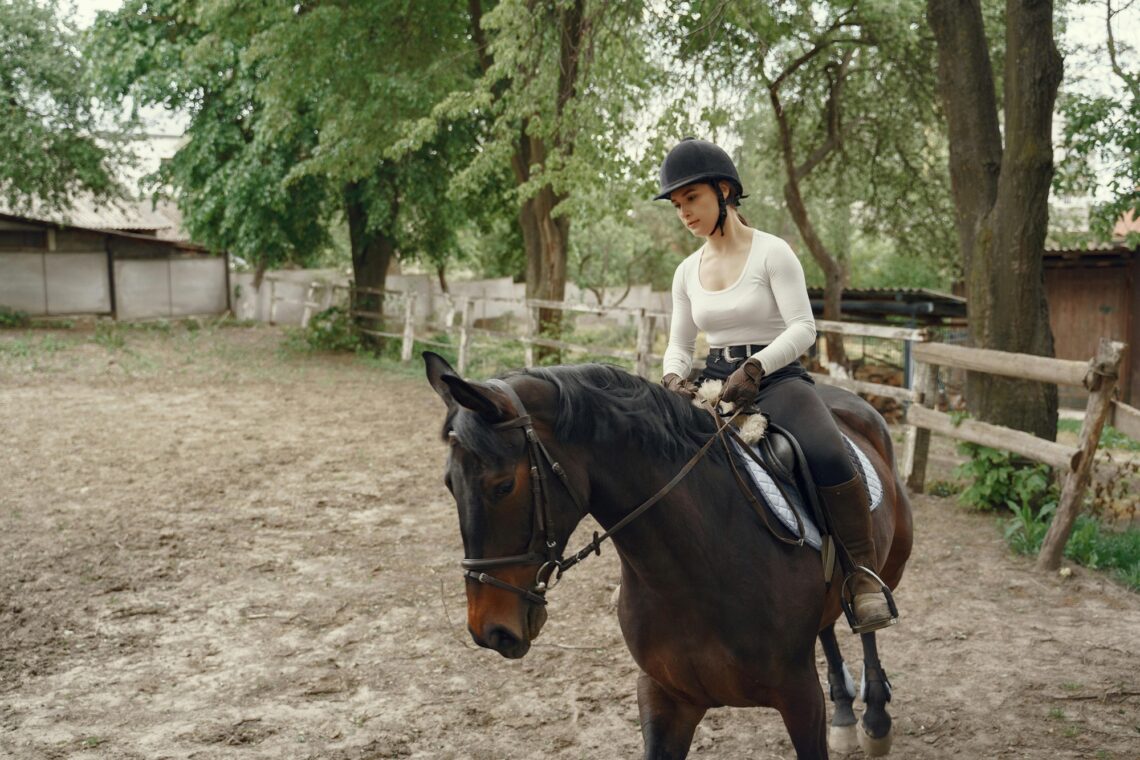
- Always wear a properly fitted equestrian helmet and heeled boots.
- Use well-fitted tack and ensure your stirrups are adjusted for your size and comfort.
- Begin on a quiet, beginner-friendly horse under supervision.
- Make a safety check routine before every ride, inspecting straps, buckles, and the horse’s mood.
Bonus Tips: Building Confidence and Enjoyment
- Relax and breathe: Tension in your body translates to the horse. Remember to exhale and loosen up.
- Be patient and kind to yourself: Mistakes are natural—treat each ride as an opportunity to learn.
- Engage with the riding community: Seek advice, join beginner groups, and learn from others’ experiences.
- Reward the horse: Gentle words and a soft pat after a ride reinforce good experiences for both of you.
Mastering the essentials of horseback riding transforms you from a nervous beginner to a confident rider who can revel in the true partnership between horse and human while gaining the confidence to explore places on horseback with ease. Avoiding these common pitfalls accelerates your progress, deepens your bond with your horse, and—perhaps most importantly—makes every ride safer and more enjoyable.
Whether you dream of leisurely trail rides, galloping on the open plain, or pursuing disciplined competition, your journey starts with small, deliberate steps. Slow down, listen to your instructor and your horse, and embrace the adventure.
Happy riding!
The written content on this page was generated by perplexity.ai.