What is the best age to start horseback riding?
Horseback riding is a timeless activity that offers physical exercise, mental focus, and a deep connection with nature and animals. It’s no surprise that many parents want to share this enriching experience with their children. However, determining the right age for a child to start horseback riding depends on several factors, including physical readiness, cognitive development, and interest levels. This article explores the ideal age to begin horseback riding, the benefits of starting early, and practical tips for ensuring a safe and enjoyable experience.
When Can Children Start Horseback Riding?
General Guidelines
Equestrian experts generally agree that children can begin engaging with horses as early as 2 or 3 years old through pony rides or supervised interactions. These introductory experiences are designed to familiarize young children with horses in a safe and controlled environment. However, structured horseback riding lessons typically start between the ages of 6 and 7. At this age, children are more likely to have developed the coordination, balance, and attention span necessary for learning how to ride safely.
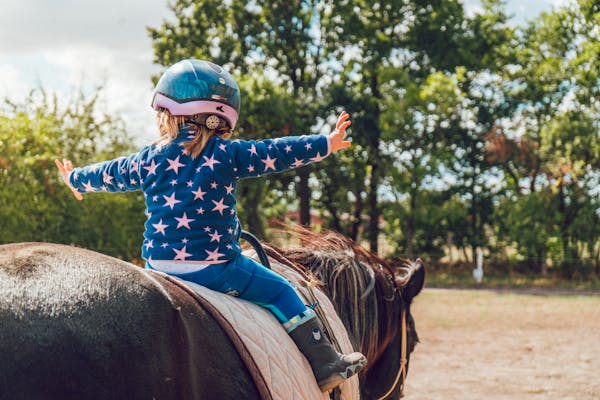
For toddlers (ages 2–5), short pony rides are ideal for introducing them to horses without overwhelming them. These rides are usually led by an adult or instructor on calm ponies specifically trained for young riders. The focus at this stage is less about learning formal riding skills and more about building comfort and familiarity with horses.
The Role of Development
The best age for starting horseback riding varies depending on a child’s physical and cognitive development. Factors such as coordination, balance, ability to follow instructions, and emotional readiness play a significant role in determining whether a child is ready to ride. Riding schools often set minimum age requirements—typically between 4 and 6 years—due to safety concerns and insurance policies.
Sports psychologists emphasize the importance of allowing children to express their own interest in horseback riding rather than being pressured by parents. When children choose activities themselves, they are more likely to enjoy and excel at them.
Benefits of Starting Horseback Riding Early
Physical Benefits
- Improved Coordination and Balance: Riding requires maintaining proper posture on a moving horse, which strengthens core muscles and enhances balance.
- Physical Fitness: Handling horses involves engaging multiple muscle groups, promoting overall physical health.
- Motor Skills Development: Activities like grooming horses or guiding reins improve fine motor skills.
Cognitive Benefits
- Focus and Discipline: Riding teaches children how to concentrate on controlling the horse while following instructions from their instructor.
- Problem-Solving Skills: Riders learn to make quick decisions while navigating trails or managing unexpected situations.
Emotional Benefits
- Confidence Building: Successfully controlling a large animal like a horse boosts self-esteem34.
- Stress Relief: The bond between rider and horse has been shown to reduce stress levels in both children and adults.
- Empathy Development: Caring for an animal fosters responsibility and empathy in young riders4.
Safety Considerations for Young Riders
Safety is paramount when introducing children to horseback riding. Here are critical precautions:
1. Proper Equipment
Children should wear helmets specifically designed for horseback riding. Closed-toed shoes with a small heel prevent feet from slipping through stirrups, while long pants protect legs from chafing against the saddle.
2. Choosing the Right Horse
Gentle, well-trained horses or ponies are ideal for beginners. Riding schools carefully match children with animals suited to their size and temperament.
3. Supervision
Young riders must always be supervised by experienced instructors who can guide them through proper techniques while ensuring their safety during lessons.
4. Short Sessions
Children tire easily, especially at younger ages. Initial sessions should be brief—lasting around 15–30 minutes—to keep them engaged without overwhelming them.
What About Adults?
While this article focuses on children, it’s worth noting that adults can start horseback riding at any age as long as they are physically fit. Many adults find horseback riding an excellent way to stay active while enjoying nature. Those with pre-existing health conditions should consult their physician before beginning lessons.
How Early Exposure Shapes Long-Term Interest
Introducing children to horses at an early age can foster a lifelong love for equestrian activities. Even if formal lessons don’t begin until later, early interactions—such as grooming or short pony rides—help build familiarity and comfort around horses. By the time children reach the recommended age for structured lessons (around 6–7 years), they may already have developed confidence and interest in riding.
It’s essential not to rush this process; allowing children to progress at their own pace ensures they remain enthusiastic about horseback riding rather than feeling pressured or intimidated.
Tips for Parents Considering Horseback Riding Lessons
If you’re considering enrolling your child in horseback riding lessons, here are some practical tips:
- Visit Local Riding Schools: Observe how instructors interact with students and assess the school’s facilities.
- Start with Trial Lessons: Many schools offer introductory lessons that allow your child to experience riding before committing long-term.
- Communicate with Instructors: Share any concerns about your child’s readiness or specific needs.
- Encourage Without Pressuring: Let your child decide if they want to continue after initial experiences.
- Incorporate Other Activities: Complement riding lessons with related activities like grooming or stable chores for a well-rounded equestrian education.
- Ensure Commitment: Riding requires time and financial investment; be prepared for regular visits to stables and purchasing appropriate equipment.
The best age to start horseback riding depends on several factors, including physical readiness, cognitive development, and personal interest levels. While many experts recommend beginning structured lessons around ages 6–7, younger children can benefit from pony rides or supervised interactions with horses as early as 2–5 years old.
Ultimately, the goal is to create positive experiences that foster confidence, discipline, empathy, and a love for animals. With proper safety measures in place and guidance from experienced instructors, horseback riding can be an enriching activity that benefits individuals of all ages.
The written content on this page was generated by perplexity.ai.