English vs. Western Riding: Which Style Is Right for You?
Horseback riding is a timeless activity bringing riders closer to nature and forging deep partnerships with their equine companions. When starting out or expanding your riding skills, deciding between English and Western horseback riding can feel daunting. Both styles have rich histories, distinct techniques, and unique cultures. Understanding the differences, benefits, and typical uses of each can help you choose the style that best fits your interests, goals, and riding environment.
This comprehensive guide compares English and Western horseback riding across key aspects—history, equipment, style, events, horses, and more—to give you the clarity you need for your equestrian journey.
Historical Origins and Cultural Roots
English riding has roots in European aristocratic and military traditions. It evolved for cavalry, fox hunting, and formal riding schools. The focus was on discipline, precision, and refined technique to command the horse elegantly and effectively, whether in battle or sport.
Western riding originated in the American West and is deeply tied to the working cowboy lifestyle. It developed as a practical and durable style for tasks like cattle herding, ranch work, and long trail rides over rough terrain. Its relaxed, utilitarian philosophy reflects outdoor endurance and rugged versatility.
Tack and Equipment Differences
One of the most immediately noticeable differences is the saddle and associated tack:
- English saddles are smaller, lighter, and minimalistic. They lack a horn and are designed to allow close contact with the horse, facilitating subtle cues for movements in disciplines like dressage and jumping. English riders use bridles with thin reins held in both hands for precise control.
- Western saddles are larger and heavier, featuring a distinctive horn upfront used historically for roping cattle. The wider saddle distributes the rider’s weight over a larger area, increasing comfort during long hours in the saddle. Western riders typically hold the reins loosely in one hand, freeing the other for roping or balance, using split reins or a shanked bit.
Other tack differences include bridles, bits, stirrup styles, and protective gear, all tailored toward the style’s purpose—whether competitive finesse or rugged endurance.
Riding Posture and Style
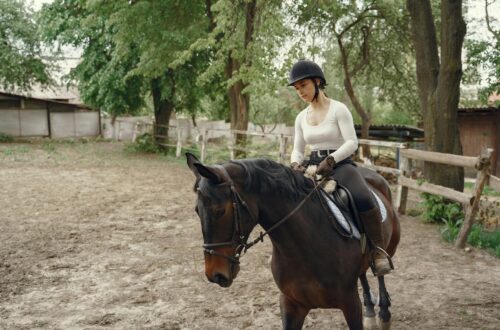
English riders adopt a close, upright posture designed for maximum communication and control. The seat is often “lighter” or more elevated from the saddle during gaits like the trot (using posting technique) to maintain harmony and minimize interference with the horse’s motion. Hands stay low and close to the horse’s neck, reins held with precision.
Western riders sit deeper in a more relaxed, natural posture. Compared to English riding, Western style emphasizes comfort and stability for long rides. They “sit the jog” instead of posting, allowing for smoother, slower gaits that don’t bounce the rider. The rein hand is light and loose, with subtle cues and leg pressure guiding the horse.
Horse Breeds and Gaits
While both styles can be practiced on many breeds, preferences often relate to the demands of the discipline:
- English riding commonly features breeds like Thoroughbreds and Warmbloods, prized for speed, agility, and refined movement, essential for show jumping, dressage, and eventing.
- Western riding favors breeds like the American Quarter Horse, known for strength, calm temperament, and quick bursts of speed — ideal for ranch work and rodeo events.
Gait differences also reflect style needs. English riders use gaits such as walk, trot, canter, and gallop with distinct transitions and sometimes posting trots. Western riding includes gaits like walk, jog (a slower, smoother trot), and lope, designed for rider comfort and long-distance travel.
Typical Events and Disciplines
English riding disciplines highlight precision, athleticism, and formality:
- Dressage (elegant, choreographed movements)
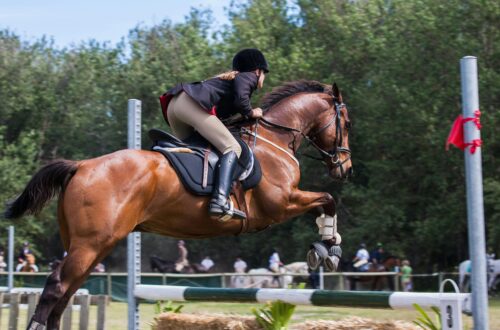
- Show jumping (speed and agility over fences)
- Eventing (combining dressage, cross-country, and jumping)
- Hunter classes (judged on smoothness and style)
Western riding reflects practicality and working skills through competitive and recreational events:
- Barrel racing (speed and tight turns)
- Roping (cowboy skill in catching cattle)
- Trail riding and endurance (comfort for long hours)
- Western pleasure (judged on smooth, relaxed gait)
Each style offers unique experiences depending on your equestrian interests—from competitive sport and precision to rugged practicality and trail adventure.
Rider Attire and Safety Gear
- English riders wear formal attire: breeches, tall boots, fitted jackets, and helmets or hunt caps. This look originates from the aristocratic and military traditions and prioritizes both safety and elegance.
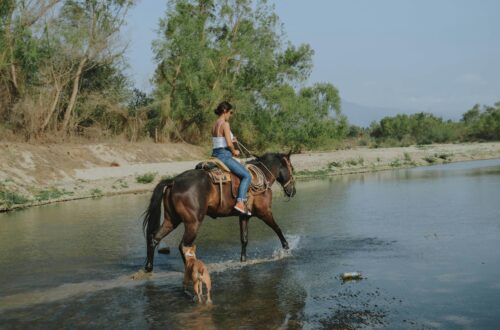
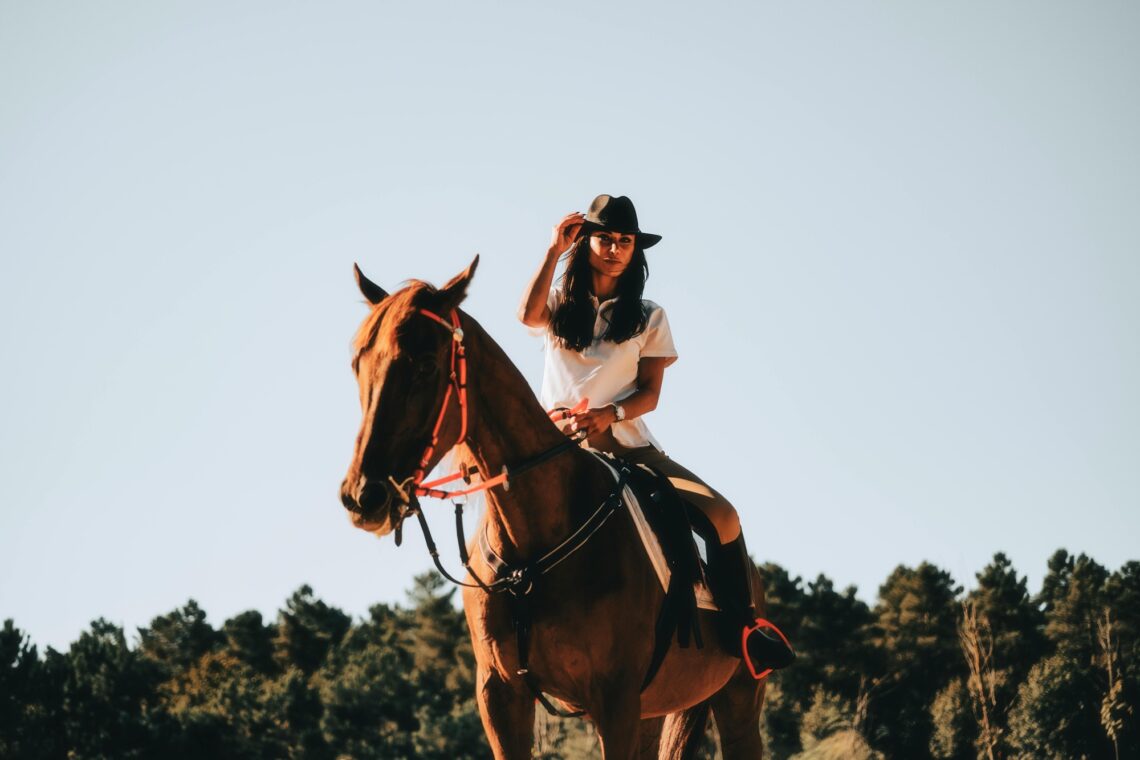
- Western riders tend toward rugged, casual wear: jeans, cowboy boots, cowboy hats or helmets, and Western shirts. Their attire is practical for the outdoors and long days in the saddle.
Helmet use is recommended in both styles, though Western riders historically opted for cowboy hats.
Choosing What’s Right for You
Here are some key considerations to help decide between English and Western riding:
- Your Riding Goals: Interested in competition, dressage, or jumping? English may align better. Prefer trail riding, ranch skills, or casual riding? Western might suit you best.
- Comfort and Learning Curve: Western saddles offer more seat support and may feel more secure for beginners. English riding demands more balance and finesse, which can feel challenging initially but offers rich rewards in skill development.
- Availability and Culture: Depending on your location, you may have easier access to one style or the other. The community and instructors can also influence your experience.
- Horse Choice: Certain breeds excel in one style, so availability of horses may steer your decision.
Both styles require time, practice, and good instruction. Many riders eventually explore and enjoy both to deepen their skills and appreciation.
Summary Table: English vs. Western Horseback Riding
| Aspect | English Riding | Western Riding |
|---|---|---|
| Origin | European aristocratic, military traditions | American West cowboy and ranch work |
| Saddle | Smaller, lighter, no horn, close contact | Larger, heavier, with horn for roping |
| Riding Posture | Upright, close seat, posting trot | Relaxed, deeper seat, sitting jog |
| Rein Handling | Both hands, precise control | One hand, loose rein for comfort and practicality |
| Typical Horses | Thoroughbreds, Warmbloods | American Quarter Horses |
| Gaits | Walk, trot, canter, gallop; posting trot | Walk, jog, lope (smooth, comfortable) |
| Disciplines/Events | Dressage, show jumping, eventing | Barrel racing, roping, trail riding, western pleasure |
| Rider Attire | Breeches, tall boots, helmets, formal jackets | Jeans, cowboy boots, hats or helmets, Western shirts |
| Best For | Precision, competitive sports, classical training | Comfort, endurance, ranch work, trail riding |
Choosing between English and Western horseback riding depends on your personal preferences, goals, and opportunities. Both offer enriching ways to connect with horses, improve your skills, and enjoy riding. English riding appeals to those seeking discipline, precision, and traditional competition, while Western riding embraces practicality, comfort, and rugged outdoor experiences.
The best approach is to try both if possible. Experience lessons under skilled instructors, ride different horses, and learn about the culture behind each style. Whichever path you choose, horseback riding promises a rewarding journey filled with connection, challenge, and joy.
The written content on this page was generated by perplexity.ai.